Business Name: BeeHive Assisted Living Homes of Rio Rancho NM #1 - Dementia Care & Memory Care
Address: 204 Silent Spring Rd NE, Rio Rancho, NM 87124
Phone: (505) 221-6400
BeeHive Assisted Living Homes of Rio Rancho NM #1 - Dementia Care & Memory Care
BeeHive Assisted Living Homes of Rio Rancho NM #1 - Dementia Care & Memory Care is a premier Rio Rancho Assisted Living facilities and the perfect transition from an independent living facility or environment. Our Alzheimer care in Rio Rancho, NM is designed to be smaller to create a more intimate atmosphere and to provide a family feel while our residents experience exceptional quality care. We promote memory care assisted living with caregivers who are here to help. Memory care assisted living is one of the most specialized types of senior living facilities you'll find. Dementia care assisted living in Rio Rancho NM offers catered memory care services, attention and medication management, often in a secure dementia assisted living in Rio Rancho or nursing home setting.
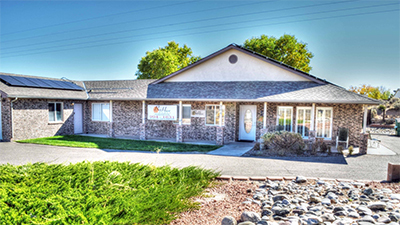
204 Silent Spring Rd NE, Rio Rancho, NM 87124
Business Hours
Monday thru Friday: 9:00am to 5:00pm
Facebook: https://www.facebook.com/BeeHiveHomesRioRancho
YouTube: https://www.youtube.com/@WelcomeHomeBeeHiveHomes
Families seldom start looking into memory care on a quiet weekend with limitless time. Regularly, they are working on little sleep, balancing work and medical consultations, and trying to keep a loved one safe in a home that no longer fits their requirements. I have actually walked a lot of hallways with sons, children, and spouses who feel 2 things at the same time, sorrow at the decrease and relief at the possibility of aid. The very best memory care homes earn that relief. They build days that feel familiar and dignified, support capabilities that remain, reduce risks without stripping away flexibility, and keep individuals connected to their own life story.
That does not take place by accident. It originates from an approach of care that is lived out minute by minute, from breakfast routines to bedtime, from how a team member approaches a resident who is nervous to how the team deals with a bad night. If you are comparing neighborhoods, keep your eye less on the lobby chandelier and more on rhythms, staffing, and how people spend their time.
A care approach you can see, not just read
Every pamphlet promises person focused care. In practice, you should be able to see it within five minutes of entering a memory care home. See the little interactions. Does a caretaker crouch to eye level and use the resident's name before offering aid, or do they yank a sleeve and hurry the task? Are people pushed to the same activity at the same time, or do you see variation since requirements and interests differ?
A great group presumes that, even with dementia, an individual continues to have preferences, routines, pride, and sets off. For instance, I as soon as worked with a previous mail carrier who ended up being uneasy around 3 p.m. Due to the fact that the personnel knew his background, they set up a basic postal station with envelopes and bins. Most days he would arrange for twenty minutes, then accept tea and a treat. Without that anchoring task, the exact same period became an onslaught of refusals and exit seeking.
Care that respects the person reduces distress habits, which in turn lowers the requirement for antipsychotic medications. You will not see a published portion on the wall, but you can ask how the team approaches agitation and what non drug techniques they attempt initially. Listen for specifics, not mottos, and request examples tailored to various kinds of dementia.
Daily rhythms that secure function
Cognitive change scrambles a person's biological rhythm. Excellent memory care homes produce a constant external one. The day has a shape that repeats, not a stiff schedule that requires everybody into the exact same slot, however predictable anchors that lower anxiety.
Mornings typically work best for getting things done. A proficient caregiver will begin by orienting gently, opening blinds, cueing with familiar music, and offering one clear option at a time. They might lay out clothing in sequence rather than turn over a full stack. Bathing is provided when the resident is probably to accept it, whether that is before breakfast or early afternoon. Caregivers prevent hurrying, due to the fact that speed is the opponent of cooperation.
Meals are both nutrition and therapy. People with dementia typically lose weight for factors that consist of lowered cravings, sensory changes, and problem coordinating utensils. A smart dining program uses high contrast plates, finger foods that are dignified rather than childish, and flexible seating so a resident can eat beside a favored pal or in a quieter corner if noise overwhelms them. Hydration is built into the day. The greatest programs track fluid intake in an inconspicuous way, using small portions throughout the morning and afternoon rather of a single big cup that goes untouched.
Afternoons sometimes bring restlessness, particularly in Alzheimer's illness. This is when the environment and staffing matter even more. Instead of cluster people around a TELEVISION, the team needs to use light motion, one to one visits, or purposeful jobs that match an individual's history. Dim lights and unstructured time near late afternoon frequently backfire. A basic regular helps, tea, a snack with protein, a short walk outside if weather enables, and music that signals the transition to night. During the night, the staff needs to know who is vulnerable to waking and how to respond. Some homes change lighting to lower glare and shadows, which can cause misinterpretations and fear.
Memory care staffing ratios differ by state guidelines and business policy, however in practice you need to see enough people on the flooring to manage both scheduled activities and spontaneous requirements. Many strong programs keep up approximately one caretaker to 6 to eight citizens throughout the day, often tighter in small homes, with a nurse or med tech readily available and a supervisor who exists, not just on call. Over night ratios are typically leaner, one to ten or one to twelve, so ask how they manage a 2 person help at 2 a.m. And what backup looks like.
Activities that do more than fill a calendar
Look past the month-to-month calendar and see a regular Tuesday. In a great memory care home, activities do not feel like a school assembly. They seem like reality. The objective is not to keep people hectic, it is to provide a reason to move, believe, mingle, and contribute.
When I examine a program, I search for five trademarks:
- Activities linked to individual histories, not generic themes, such as a retired carpenter sanding a project board, or a housewife leading a simple baking group. A mix of group and one to one engagement so shy residents or those with innovative dementia still get attention. Repetition with variation, for instance, a weekly music hour with tunes from a resident's period, however various tempos and instruments to welcome movement. Purposeful functions, such as setting tables, watering the herb garden, or greeting visitors, to keep identity and agency. Adaptation for various stages, utilizing cues, props, and streamlined actions so people can succeed without being dealt with like children.
Cognitive stimulation works best when wrapped in something enjoyable. A present occasions lecture hardly ever lands, but an image deck of vintage cars or mid century motion picture posters illuminate acknowledgment. Short reminiscence circles, 10 to fifteen minutes, help people practice turn taking and memory retrieval without fatigue.
Movement matters. Balance and leg strength decline if not utilized, and with that decrease comes falls. Chair yoga, tai chi forms adjusted for sitting, simple ball tosses, and strolling clubs prevail. The point is consistency. Three short bouts of activity most days assist more than a single long class once a week.
Creative arts bypass harmed language pathways and promote state of mind. I have actually seen nonverbal residents hum and sway during live guitar sets, then stay calmer for hours afterward. Art should be process based, not graded, with bold paints, tactile materials, and no pressure to make something representational. Poetry circles, where a facilitator reads a couple of lines and invites a word or gesture in reaction, can work even late in the disease.
Intergenerational visits can be golden or chaotic, depending on preparation. The best ones are structured, board games with large pieces, easy crafts, shared reading, or music, and kept to thirty to forty minutes. The energy raises the space, and both sides benefit.
Outdoors is non flexible when weather allows. Sunshine assists regulate sleep wake cycles and appetite. A safe yard with a looping path, seating in sun and shade, and plants that invite touch and smell offers staff alternatives besides another lap of the corridor. Sensory gardens with herbs like rosemary and mint succeed. Raised beds let individuals garden without deep bending.
Therapies that incorporate, not isolate
A memory care home is more powerful when treatment is a thread, not a different room citizens visit twice a week. Occupational treatment can aid with dressing methods, adaptive tools for dining, and ecological tweaks that reduce confusion. Physical treatment targets strength, balance, and gait, especially after a hospitalization or fall. Speech language pathologists do even more than speech, they help with swallowing security, interaction methods, and cognitive exercises tailored to the individual's level.
Ask how often residents get therapy when there is no acute trigger. Some neighborhoods count on regular screens to capture decrease before it results in a crisis. Others build short, focused therapy blocks into the first month after move in, which can prevent obstacles and improve confidence.
Music therapy and art therapy, when delivered by experienced therapists, reach people conventional talk treatment can not. A certified music therapist does not simply play songs. They can utilize rhythm to organize movement, tune to cue speech, and carefully picked playlists to regulate stimulation. Families often bring playlists built from preferred ages and artists, which enters into the day-to-day toolkit.
You may also find out about recognition therapy, which satisfies a person in their viewed truth rather than requiring correction, and Montessori based dementia care, which breaks jobs into steps with clear visual hints and offers significant functions. Both are genuine techniques when done attentively. They depend on staff training and consistency more than expensive equipment.
Some homes promote multisensory spaces with soft lighting, gentle noises, and tactile things. These spaces can assist during agitation if the team uses them well. The secret is intentional use, no one is soothed by a room that ends up being a catchall storage area or is too revitalizing. Ask to see how and when it is utilized, and what results they track.
Safety that does not feel like a lockdown
Residents need flexibility to stroll, explore, and engage without stepping into risk. Great style makes the safe choice the simple one. Hallways ought to loop back instead of dead end. Exits are secured per guidelines, frequently with keypads or delayed egress, however should not dominate the visual field. Memory boxes by doors help wayfinding. Bathrooms are easy to find without hunting.
Technology can include a layer, door sensors that notify personnel if someone opens a gate, motion sensing units in rooms for overnight checks, and wearable gadgets that track area within the building. The objective is to support staff, not change them. I constantly ask which informs go where, and how the group prevents alarm fatigue, because a constant chorus of beeps assists no one.
Medication management is crucial. In a well run memory care home, a nurse or trained med professional manages ordering, storage, and administration with double checks to avoid missed or duplicative dosages. Modifications in medication typically speed up behavioral shifts, so great teams keep track of for adverse effects when a prescription is included or adjusted.
Falls can not be eliminated, but danger can be lowered. The daily program represent common danger times, after toileting, late afternoon, transitions. Shoes fit, floors are non glare, chairs are the best height, and movement aids are within reach and motivated instead of hidden.
Dining, dignity, and real nutrition
The dining-room tells you a lot. Do individuals look engaged and comfy, or is the space noisy and rushed? A fantastic memory care home experiments, small plate sizes to reduce overwhelm, dressings on the table for control, and staff who cue with the first bite instead of hovering. Menus needs to offer option without a complicated choice tree, two or 3 choices works. Texture customized diet plans are common, but they ought to be tasty. Finely sliced proteins mixed into sauces, soft-cooked veggies, and finger foods like frittata slices, fish cakes, and melon cubes keep flavor and dignity. Cold cereal at every meal is not a plan.
Weight is tracked, but numbers alone are not the objective. Energy and pleasure matter. Hydration carts with water, organic teas, and fruit infused alternatives make it easy to state yes regularly. Citizens with diabetes or heart disease need thoughtful substitutions, not boring plates that lead to skipped meals. Household dishes can in some cases be adjusted, a little bowl of a cherished soup moving weekly to the menu helps more than any supplement drink.
An environment that lowers friction
Cognitive load is the hidden tax of dementia. The environment can add to it or lighten it. Clear signage with words and pictures helps. So do memory hints, a red sweater draped over a chair near the dining-room, a preferred picture by a bed room door, a shadow box with tactile items from a past job. Lighting is even and warm, without glossy floors that look wet. Background noise stays low. Televisions do not shriek in typical spaces.
Smaller household models, eight to sixteen residents sharing a cooking area and living area, typically feel calmer than very large systems. That stated, some bigger communities have actually found out to produce communities within a larger footprint. Outside area needs to be easily accessible without unlocking a different door that needs staff escort. A continuous walking path with things to see and do gives motion a purpose.
Private rooms are important for self-respect and sleep, however shared rooms can work when spending plans are tight, specifically if there suffices typical space to prevent living at the bedside. Try to find tidy bathrooms, grab bars in the best places, and shower rooms that are huge enough for 2 helpers to move safely.
Staff training, supervision, and culture
Facilities market functions, but people make the place. Inquire about training in dementia care at hire and ongoing. In many states, minimums are modest, 8 to twelve hours at start and a handful of hours annually. Strong providers go farther, layering abilities like nonverbal communication, de escalation, safe transfers, feeding help, and illness particular education. Yearly refreshers in the range of 12 to 24 hours, plus coaching on the floor, keep skills lively.
Turnover occurs in healthcare, however extremely high turnover interferes with relationships and routines. You will not get a perfect number. What you can ask is how many brand-new faces homeowners fulfill in a week, how frequently they use firm staff, and how the manager supports the group throughout difficult shifts. A director who hangs around on the floor, not just behind a desk, generally runs a steadier ship.
Ratios matter, however ratios without training and management do not fix much. Look for how staff speak about citizens. Are they numbers on a board, or people with histories? Listen in a hallway, you will hear the culture in casual remarks.
Communication with households must be regular and 2 method. Look for a strategy that consists of set up updates, fast calls after a fall or medication modification, and an open door for visits and care strategy conferences. Innovation portals assist some families, however a relationship with a genuine individual is what matters when something goes wrong at 7 p.m. On a Friday.
What to ask and notice when you tour
Most families will visit 2 or 3 alternatives before choosing a memory care home. Bring a notebook and trust your eyes and ears. A few focused checks can reveal more than pages of marketing material.
- Watch for engagement in typical areas at various times of day, mid morning, mid afternoon, and early evening, and notice whether personnel initiate contact without being asked. Ask who will remain in the building overnight, by function, not simply the number, and what takes place if two homeowners require hands on aid at the same time. Request examples of how they have actually supported citizens who wander, refuse care, or have sleep turnaround, listening for useful actions rather than generalities. Review a sample menu and observe a meal if possible, keeping in mind portions, pacing, and whether staff sit at eye level when assisting. Ask about transitions to higher levels of care, on site or by transfer, including how they collaborate if hospitalization is needed and how they support return to routine.
If a home can not accommodate a short-notice visit, that is not a warning by itself, but it tells you something about staffing and rhythm. Visit at a various time unannounced if you can. Odors must be neutral to enjoyable. A constant odor of urine suggests gaps in toileting regimens or laundry flow.
Measuring quality beyond shiny ratings
Public rankings and inspection reports are a starting point. They inform you whether a facility fulfills standard rules, not whether it creates great days. Many strong communities track internal metrics they will share if asked, medical facility transfer rates, weight stability, falls per resident month, resident and family complete satisfaction, and how frequently psychoactive medications are used and reviewed. Expect varieties rather than single month photos, since these numbers move with case mix.
Ask how they use information to change practice. For example, if falls spike between 4 and 6 p.m., what did they do about it, staffing changes, activity changes, lighting tweaks? If weight reduction creeps up, did they include a treat cart, modify textures, or include a dietitian more intensely? A group that utilizes their own information to course correct is most likely to sustain quality.
Memory care within assisted living, or standalone homes
You will find memory care housed within larger assisted living neighborhoods and also standalone memory care homes. Each design has strengths. Within assisted living, you might see more features, wider therapy gain access to, and much easier shifts if a partner lives in the basic side. The possible disadvantage is a less specific culture if leadership spreads attention throughout numerous service lines. Standalone memory care homes tend to be smaller and more concentrated, with personnel who do dementia care all the time, every day. They can also feel more intimate, which some families value.
Cost varies extensively by region and level of need. Private pay everyday rates for memory care frequently run 10 to 30 percent greater than basic assisted living due to staffing and safety functions. Expect a range that could be a couple of thousand dollars per month in some markets to well above that in urban centers. Clarify what is included. Some communities bundle care into tiers, others charge point by point for bathing support, incontinence care, or medication management. Ask about Medicaid approval if that becomes part of your strategy, given that not all memory care homes contract with state programs.
Edge cases and tailoring for various dementias
Not all dementia looks the very same. Alzheimer's illness, vascular dementia, Lewy body dementia, and frontotemporal dementia bring unique patterns. A resident with Lewy body dementia may have vibrant visual hallucinations and move unexpectedly due to Parkinsonian features. The team requires to understand that antipsychotics can worsen signs for these BeeHive Assisted Living Homes of Rio Rancho NM #1 - Dementia Care & Memory Care respite care individuals and that changing attention is part of the disease. Lighting and contrast modifications can lower misinterpretation of shadows. Short, clear sentences assist during attention dips.
Someone with frontotemporal dementia may have strong physical capabilities but impaired judgment and impulse control. Rigid group activities and scolding do not work. Structured roles that carry energy, establishing chairs, providing napkins, or folding laundry, and a calm environment with clear boundaries can minimize conflicts.
Vascular dementia typically presents with uneven abilities depending upon which areas of the brain are affected. A one size approach fails here. An excellent care plan identifies islands of strength to develop on.
Your concerns during a tour can show this nuance. Ask the nurse or director to share a story, de identified, of how they adapted for a resident with a particular medical diagnosis, what worked, what did not, and what they learned.
When modification is the ideal answer
Even the very best memory care home can not hold every resident permanently. Development, medical complexity, or habits that posture risk might need a move to a greater level of care or a specialized setting. What differentiates terrific programs is how they deal with the conversation. They involve the household early, not at a crisis point. They coordinate with physicians, offer options, and work to keep the resident comfy through the transition. They will likewise tell you when they believe they can continue safely with additional supports, such as increased observation or short-lived one to one staffing during a rough patch.
Families often worry they have stopped working if a relocation is needed. You have not stopped working. Diseases development, needs change, and accountable teams respond to reality.
Putting it together
A terrific memory care home feels like a place where individuals live, not simply a location where care is provided. The calendar has texture. The staff exist and calm. Meals welcome appetite. Therapies fold into daily life instead of differing. Precaution are undetectable until needed. Families are partners, not visitors at the fringe.
If you focus on routines, relationships, and how a day unfolds, you will see the distinction. Trust your observations, ask for examples, and invest enough time on the flooring to enjoy the common work of care. It remains in those common moments that dignity is either secured or lost. The ideal memory care home builds a thousand little wins into the day. For a person coping with dementia, and for the household who enjoys them, those wins add up.
BeeHive Assisted Living Homes of Rio Rancho NM #1 - Dementia Care & Memory Care provides assisted living care
BeeHive Assisted Living Homes of Rio Rancho NM #1 - Dementia Care & Memory Care provides memory care services
BeeHive Assisted Living Homes of Rio Rancho NM #1 - Dementia Care & Memory Care provides respite care services
BeeHive Assisted Living Homes of Rio Rancho NM #1 - Dementia Care & Memory Care supports assistance with bathing and grooming
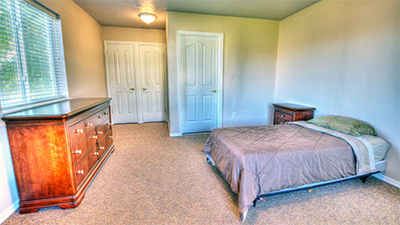
BeeHive Assisted Living Homes of Rio Rancho NM #1 - Dementia Care & Memory Care offers private bedrooms with private bathrooms
BeeHive Assisted Living Homes of Rio Rancho NM #1 - Dementia Care & Memory Care provides medication monitoring and documentation
BeeHive Assisted Living Homes of Rio Rancho NM #1 - Dementia Care & Memory Care serves dietitian-approved meals
BeeHive Assisted Living Homes of Rio Rancho NM #1 - Dementia Care & Memory Care provides housekeeping services
BeeHive Assisted Living Homes of Rio Rancho NM #1 - Dementia Care & Memory Care provides laundry services
BeeHive Assisted Living Homes of Rio Rancho NM #1 - Dementia Care & Memory Care offers community dining and social engagement activities
BeeHive Assisted Living Homes of Rio Rancho NM #1 - Dementia Care & Memory Care features life enrichment activities
BeeHive Assisted Living Homes of Rio Rancho NM #1 - Dementia Care & Memory Care supports personal care assistance during meals and daily routines
BeeHive Assisted Living Homes of Rio Rancho NM #1 - Dementia Care & Memory Care promotes frequent physical and mental exercise opportunities
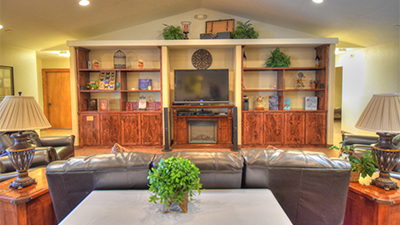
BeeHive Assisted Living Homes of Rio Rancho NM #1 - Dementia Care & Memory Care provides a home-like residential environment
BeeHive Assisted Living Homes of Rio Rancho NM #1 - Dementia Care & Memory Care creates customized care plans as residents’ needs change
BeeHive Assisted Living Homes of Rio Rancho NM #1 - Dementia Care & Memory Care assesses individual resident care needs
BeeHive Assisted Living Homes of Rio Rancho NM #1 - Dementia Care & Memory Care accepts private pay and long-term care insurance
BeeHive Assisted Living Homes of Rio Rancho NM #1 - Dementia Care & Memory Care assists qualified veterans with Aid and Attendance benefits
BeeHive Assisted Living Homes of Rio Rancho NM #1 - Dementia Care & Memory Care encourages meaningful resident-to-staff relationships
BeeHive Assisted Living Homes of Rio Rancho NM #1 - Dementia Care & Memory Care delivers compassionate, attentive senior care focused on dignity and comfort
BeeHive Assisted Living Homes of Rio Rancho NM #1 - Dementia Care & Memory Care has a phone number of (505) 221-6400
BeeHive Assisted Living Homes of Rio Rancho NM #1 - Dementia Care & Memory Care has an address of 204 Silent Spring Rd NE, Rio Rancho, NM 87124
BeeHive Assisted Living Homes of Rio Rancho NM #1 - Dementia Care & Memory Care has a website https://beehivehomes.com/locations/rio-rancho/
BeeHive Assisted Living Homes of Rio Rancho NM #1 - Dementia Care & Memory Care has Google Maps listing https://maps.app.goo.gl/FhSFajkWCGmtFcR77
BeeHive Assisted Living Homes of Rio Rancho NM #1 - Dementia Care & Memory Care has Facebook page https://www.facebook.com/BeeHiveHomesRioRancho
BeeHive Assisted Living Homes of Rio Rancho NM #1 - Dementia Care & Memory Care has a YouTube Channel at https://www.youtube.com/@WelcomeHomeBeeHiveHomes
BeeHive Assisted Living Homes of Rio Rancho NM #1 - Dementia Care & Memory Care won Top Memory Care Homes 2025
BeeHive Assisted Living Homes of Rio Rancho NM #1 - Dementia Care & Memory Care earned Best Customer Service Award 2024
BeeHive Assisted Living Homes of Rio Rancho NM #1 - Dementia Care & Memory Care placed 1st for Assisted Living Communities 2025
People Also Ask about BeeHive Assisted Living Homes of Rio Rancho NM #1 - Dementia Care & Memory Care
What is BeeHive Homes of Rio Rancho Living monthly room rate?
The rate depends on the level of care that is needed (see Pricing Guide above). We do a pre-admission evaluation for each resident to determine the level of care needed. The monthly rate is based on this evaluation. There are no hidden costs or fees
Can residents stay in BeeHive Homes of Rio Rancho until the end of their life?
Usually yes. There are exceptions, such as when there are safety issues with the resident, or they need 24 hour skilled nursing services
Does BeeHive Homes of Rio Rancho have a nurse on staff?
No, but each BeeHive Home has a consulting Nurse available 24 – 7. if nursing services are needed, a doctor can order home health to come into the home
What are BeeHive Homes of Rio Rancho visiting hours?
Visiting hours are adjusted to accommodate the families and the resident’s needs… just not too early or too late
Do we have couple’s rooms available?
Yes, each home has rooms designed to accommodate couples. Please ask about the availability of these rooms
Where is BeeHive Homes of Rio Rancho located?
BeeHive Homes of Rio Rancho is conveniently located at 204 Silent Spring Rd NE, Rio Rancho, NM 87124. You can easily find directions on Google Maps or call at (505) 221-6400 Monday through Friday 9:00am to 5:00pm
How can I contact BeeHive Homes of Rio Rancho?
You can contact BeeHive Assisted Living Homes of Rio Rancho NM #1 - Dementia Care & Memory Care by phone at: (505) 221-6400, visit their website at https://beehivehomes.com/locations/rio-rancho, or connect on social media via Facebook or YouTube
Residents may take a trip to the Turtle Mountain Brewing Company. The Turtle Mountain Brewing Company offers a relaxed dining atmosphere suitable for assisted living, senior care, elderly care, and respite care family meals.